Robert Shaw Festival Day 6 JAWS (The Greatest Adventure Film of All Time)

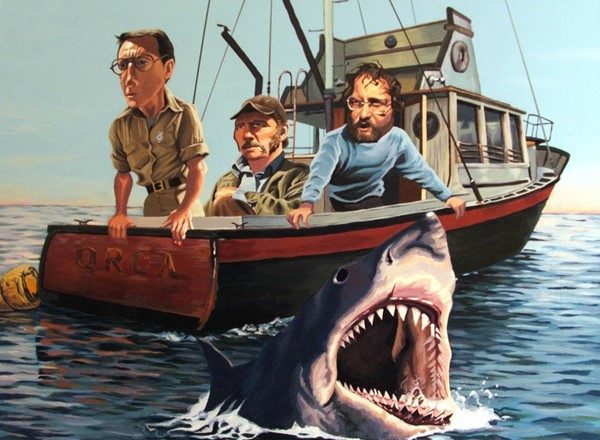
If you have seen this clip before, than you already know the power of Robert Shaw as an actor in the perfect role. I am sure you have heard it said in a dozen other places, but when the history of acting awards is written, this will be the biggest glaring omission ever. This four minute scene is sufficient in itself to have impressed anyone who cares about film acting. It is the go to piece from this film. I have nothing but respect for everyone involved in putting this piece of cinematic art on the big screen for us to enjoy, chew on, and be horrified by. There are however a number of other reasons that this is the ultimate Robert Shaw film role.

Let me start by pointing out that in the first hour of the movie, Shaw’s character Quint can be seen only twice. One of those is a passing shot as he looks derisively at the weekend warriors who have shown up to try and catch the shark that Mrs. Kitner has put a bounty on. This comes a few moments after his earlier scene and reminds us of the earnest, self righteous, and totally commanding presence his character promises to be. We are left to wait until half the movie is over to see him again and have that promise fulfilled. The shipboard scene in the harbor lasts a few seconds. The two minutes he gets as an introduction came just before this and sets up our tension as much as the shark attacks do.

Many characters have been given incredible entrances into the stories they are a part of. Omar Sharif appears as a speck against a desert horizon, coming closer and dominating the scene by the time he arrives. Hannibal Lecter is the bogeyman we are warned about and frightened of before we ever see him, but when he is revealed, standing in the middle of a dungeon like cell, with a polite manner and chilling smile, the creep factor is on ten. Darth Vader, strides into the original Star Wars through a cloud of white steam, emerging as a figure of doom clad in black with a voice like a mechanical god. Quint though may take the cake. We know he is there from the terrifying squeal of fingernails dragging across a chalkboard. This may be an experience younger viewers will be unfamiliar with, but anyone who went to school in the 20th Century will know how awful that sound is and will find their own fingers twitching and teeth grimacing as he does what most of us would refrain from doing even if we were being paid. It does the trick though. Quint takes the focus of the town meeting away from the mayor, the police chief, and all the prominent local merchants, and he seizes the moment to make his pitch to the assembled community. He is an Islander, and he does not fit in. He is rough, blunt and cheerily superior in his world to anybody there. Shaw uses a charming grin, to deliver his bitter advice and then makes his exit quickly, like any well trained speaker ought to do. We know another force of nature besides the shark lurks in the waters around Amity, and he will not speak to us again for forty more minutes.
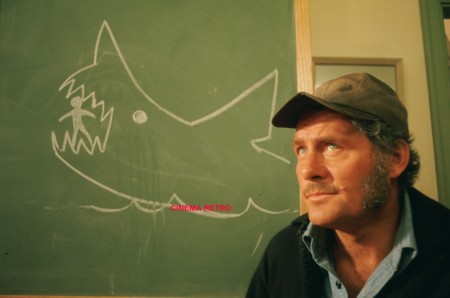
Shaw has three repeating tricks to draw on with this character that he takes full advantage of. In addition to all the best lines and the most interesting character, Shaw gets to punctuate Quint’s impact with song on at least three occasions. As he mocks Hooper’s technical tools, before they leave port, he engages in a sea shanty that refers to doomed fishermen. He sings it joyfully. It is an indicator of his comfort in his superiority in this scenario. Later, as a gesture of good will to traveling companions that may not be up to his standard but have put in a good days work and broken down some barriers, he sings with them, a well know sailing song, that sounds like the wish of every drunken fisherman. One last time he returns to sing the sea shanty, is when he thinks he has the upper hand on the shark and attempts to draw it into the shallows. It was his last moment of confidence in the film.
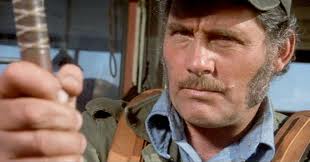
The second trick the actor gets to use is all his own, it is unscripted and natural. He wears a hat like no one else can in this movie. Sometimes it is down over his eyes giving him a menacing continence, other times it is pushed back in a nearly jocular manner. The actor conveys superiority, dismissiveness and friendliness all with the same action, but when combined with the right tone of voice or facial expression, you will never be in doubt as to which one is being directed your way. The third trick is a tool that I have seen other actors use, but none so naturally as Shaw. He is nibbling on something or drinking something in nearly every scene. An apple slice, a toothpick, a piece of hard cracker, and a can of beer all tell us the characters inner mind. They say “I’m condescending to speak to you”, or “I’m determined and focused”, or simply, “I’m better than you”. Spielberg is the ultimate actor’s director so he probably had a hand in these choices, but Shaw is the man that has to sell them, and he does.

Characters that are well written must be a joy for actors to play, but Shaw may not have had much joy because he apparently was sea sick for much of the shoot. You will not see a sequence in the film though where he does not look at home on the boat or a part of the sea. There were other actors considered for the part before he was given the role, and everyday we need to be thankful that they could just not work it out. As a consequence of their inability to make room for themselves in Jaws, they made room for Robert Shaw in the eternity of great actors meshed with great parts.

Robert Shaw Festival Part 5 The Sting

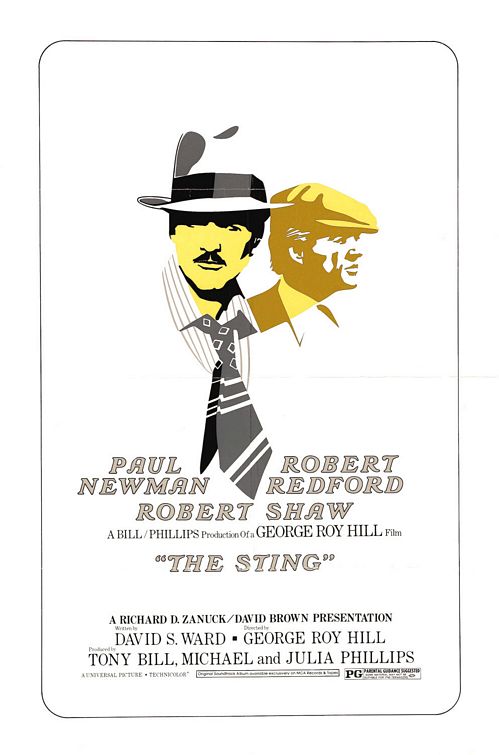
This is one of the films from the Seventies that did not make my original project because it was not a summer release. It sure feels like one though, it is breezy, clever and gets by with charm and wit galore. It won the Academy Award for Best Picture, beating out my favorite that year “The Exorcist”. If it ultimately deserves that honor or not is really not relevant to this post. I will say that there is nothing to be ashamed of if you love this movie, because in addition to the qualities I mentioned just now, it has Robert Redford, Paul Newman, and our featured star this week Robert Shaw.

Shaw plays Doyle Lonnegan, the gangster the grifters target in the movie for ordering the killing of their friend. This character is despicable from the moment we see him in a half shadowed profile, giving the ambiguous murder warrant for the two con men who took one of his numbers runners. He is a joyless golfer and a grinding businessman,which makes him a bit hard to crack. The research the con artists dig up suggest that ambition is his only flaw and that he might warm to or at least recognize the ambition of another up and comer. Oh, and he cheats at cards. This gives us the lead to follow for the rest of the story as each segment of the narrative is labeled with a title card, “The Hook”, “the Set Up”, “the Tale”, etc. This willingness to cheat at cards give the scam a way to push Lonnegan into behaviors he would otherwise avoid.

The first pivotal sequence with Shaw is on the train to Chicago, in a high stakes poker game. He is a humorless man, playing a game with others, not for the joy of it but as a mechanic, tweeking the engine of his ambition and taking advantage of others. Shaw plays him as a sour mirthless automaton, seeking only the next chance to take someone himself. The most volatile scene he has comes when he expresses to his underling the frustration that he can’t call out Gondorf, Newman’s character, for being a better cheat than he is. His instinct is to have him killed, but his pride is what calls him back from the rash act and ultimately means he has taken the bait.

You don’t get to the top of the rackets by being stupid, and Lonnegan is suspicious all along the way. The con artists are able to exploit that by using his own suspicions as a way of building up their own credibility. They play loose with a couple of his last minute demands and surprises, and allow him to talk himself into everything they ultimately want. Shaw is cheerless in each false victory that gives him confidence. His curt manner with his new partner, reminds us of why we want this Son of a Bitch to go down. When he demands that Redford’s character accept a ride from the train station, if I had been Redford’s character, my testicles would have crawled up inside me, and my bladder would feel tight. It is clear from the way the character is written and that Shaw plays him, that this is a venomous snake, best to stay away from but to which he must stick to make the sting work.

It seems like Shaw played more villains than heroes in his career. Most of his facial expressions clarify exactly why, he has a cold eyed look that seems pitiless. His voice is often controlled and low key, with just an edge of menace. He did a fine job in this film, but the star of the movie is first the plot, then the two leads, and finally the surprises. It is often said that a movie is only as good as the bad guy is allowed to be. That makes this a pretty good film. Shaw does not overplay it or draw attention to his work. He is loathsome, but not in the showy manner that so many of today’s actors (John Travolta, Gary Oldman) seem to be. The closest he comes is at the end when he is frustrated about the outcome of his gamble, but if you lost a bucket load of money you might raise your voice just a bit too.

Robert Shaw Festival Part 4"From Russia With Love"

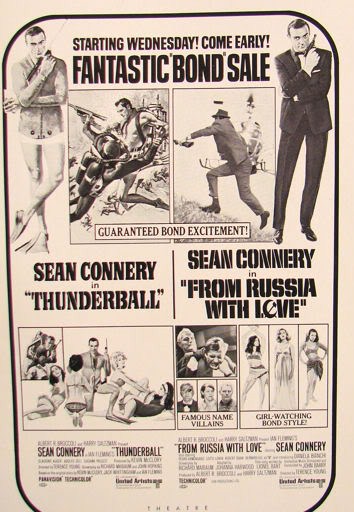
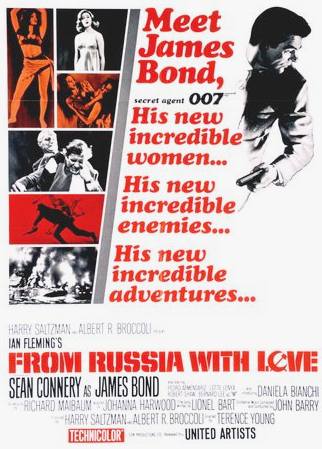
I’m quite excited to write about this film for many reasons. First of all, I am a Bond fan, dyed in the wool, 100%, even enjoying Moonraker. I saw my first 007 film in 1967 or 68. It was a double feature with Thunderball, and my memory tells me I saw it second. I started reading the books then as well. I know we had them in a cupboard in the house we lived in in East L.A., and we moved out of that house in 1969, so I was reading them by age ten or eleven. For most of my life, From Russia with Love has been my favorite Bond film and book. While it is still my favorite of the original Fleming novels, as the years have passed, I grew to appreciate the audacity of the film making in Goldfinger, so From Russia with Love slid down to number 2. Of course that is number two out of twenty-three so still pretty good.

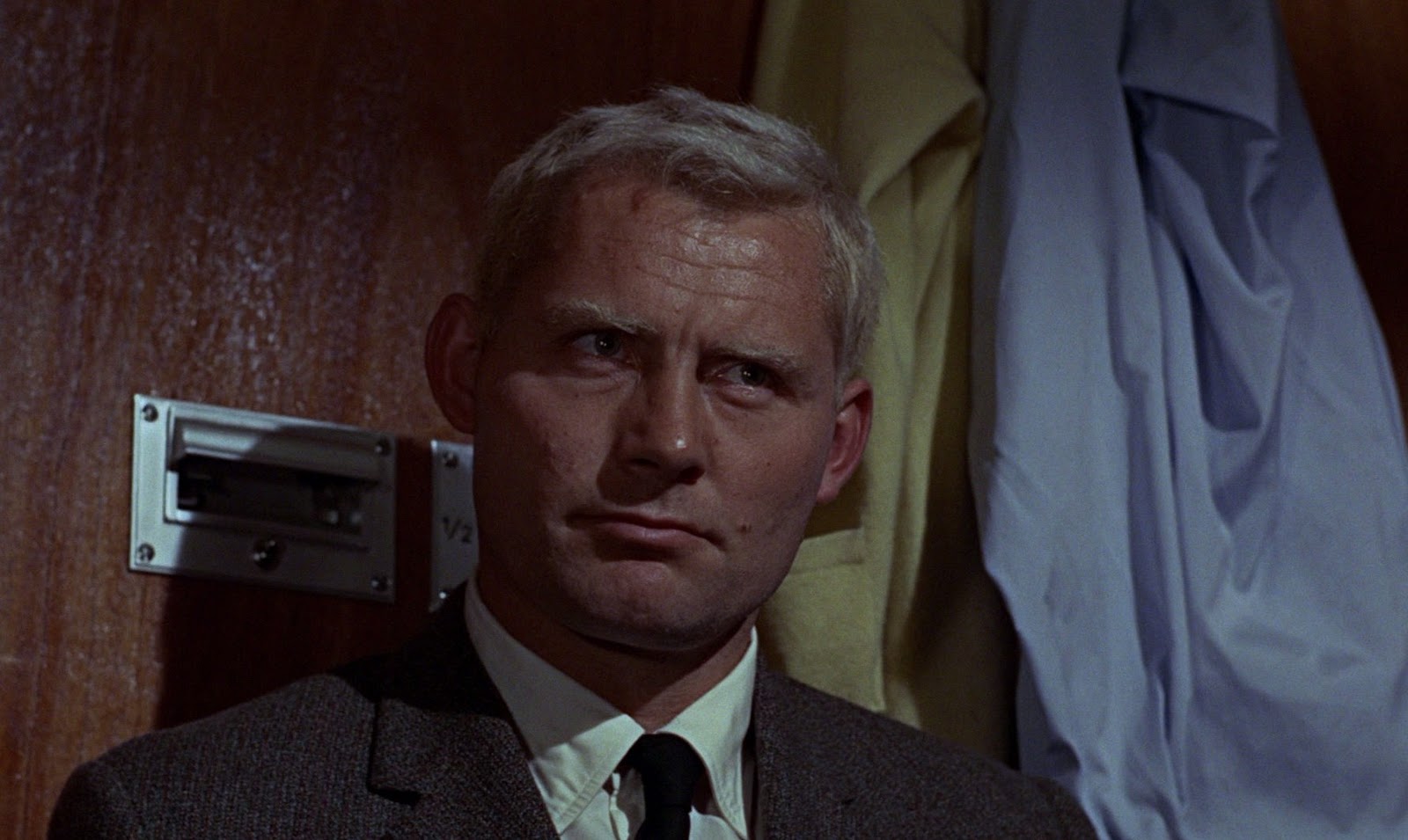
One of the major things that this film has going for it is the character of Donald “Red” Grant, played by our featured star this week, Robert Shaw. Shaw was in his mid thirties when he played this role, at the peak of his physical condition, and he had a face of granite, that mirrored the character perfectly. Casting can make a movie work so well sometimes, that it is a wonder to me that it is not Awarded at the Oscars on a regular basis. Whoever made this decision made the movie work twice as well as it would have otherwise. The character dominates the movie from the opening pre-title set up, to the last moment he is on screen. In fact his character dispatches Bond in the first minute and fifty-three seconds of the film. Those of you who know the film know what I am talking about.

What is especially impressive of Shaw’s performance, is that he has no lines for the first hour and a half of the movie. In fact, there are really only three scenes that he speaks in. All of which have been set up well by the script and the director, but the anticipation of the confrontation owes a substantial amount to the actor. He refers to himself at one point as Bond’s guardian angel. His character has hovered in the background for most of the film, a grim Spectre , looking over 007’s shoulder and waiting for his chance to strike while denying anyone else the same opportunity. The lack of a smile, the silent stalking and the tough exterior leave us waiting for the confrontation that we know must ultimately come.

Shaw plays it cool from the beginning of the film, even though his character is supposed to be a homicidal maniac. He is kept on a tight leash but all the time we can see that he is itching to take Bond down. His eyes narrow to a squint when he first spots Bond at the airport and joins in the spy v. spy game they play in Istanbul. When he breaks the rules of the game by killing a Russian surveillance man,there is only a slight hint of satisfaction on his face as he knows that Bond and his ally Kerim Bey will be blamed. One of the most tense scenes right before he and Bond meet occurs as Grant haunts Bond on the Orient Express. When James gets off the train in Belgrade to contact his local support, Grant is right over his shoulder, still on the train, often seen only as a reflection in the glass, like a true ghost waiting to wreak havoc. He keeps his cool as we see him displace the real agent Nash, the only indicator of the violence is the way he slips on his gloves as he leads the unwitting Nash to the water-closet.

Once he makes contact with Bond, Shaw uses his voice and plays the proper Englishman for as long as necessary. The despairingly used phrase “Old Man”, is the one way he can needle Bond before he can give up his cover. Shaw makes it sound condescending but not so deliberately that it would tip Bond off. When confronted red handed for drugging Tania, Grant /Shaw uses the right tone to convey that it is all part of the plan and that Bond can relax. That soothing tone works just long enough for James to drop his guard and then Grant attacks. Once he is in control of the situation, you can begin to see the monster that was there all the time. The cold blooded look returns and it is accompanied by a hostile twinkle in the eye that should be bone chilling. Still Bond toughs it out, all he needs is a chance to even the odds and he will be OK.

Once the fight starts, you know that it is seriously going to do some damage to your psyche. These are not cowboy punches thrown at arms length. There is wrestling, and karate, and blows to the solar plexus, that we know Grant can take from earlier. Bond needs to kick and grab and throw his opponent to have any kind of a chance. Ultimately we see that Shaw’s character has his favorite weapon at hand, a garote that emerges from his watch and he nearly gets Bond around the neck. It is a single hand caught between the garote and his neck that gives James a chance to access his own back up, a throwing knife secreted in the briefcase provided by Q Branch. Bond gets a chance to reverse the noose and suddenly Grant is caught in his own device, learning first hand the destiny he has brought to so many others.

So, simply put, Shaw’s performance enhances this film and makes the final confrontation the true climax of the picture. There is a helicopter chase, a boat chase, explosions and poisoned tipped shoes that all come after this, but none of them seem like a real threat because Bond has already taken out the toughest opponent imaginable. I think Tania Romanov was the second most beautiful Bond girl after Solitaire, and I think the briefcase is the second greatest gadget Bond ever got from Q, after the Aston-Martin with ejector seat. So my second favorite Bond has my second favorite gadget and second favorite Bond girl, but it also has the greatest of opponents in Bond’s 22 movies so far. That is why this film deserves to be in the Robert Shaw Film festival.

Both Sean Connery and Robert Shaw will Return in,

Robin and Marion

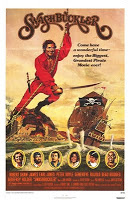
Robert Shaw Festival Part Three Swashbuckler

Kirkham A Movie A Day: Swashbuckler 1976 A Movie A Day Day 60

The above link will give you a connection to my comments from last Summer’s blog entry on Swashbuckler. I felt awful last night and did not make the movie but you can get some insight from Amanda here:

http://hollywoodconsumer.blogspot.com/2011/06/swashbuckler.html

I have my comments on “From Russia With Love Coming Soon.

Lord of the Rings: The Return of the King Extended Edition

Before you read a bit of this post, I would request, no I Demand, that you watch the above clip.

OK, Now you are properly prepared for a discussion of this the final chapter in one of the great movie series ever. The Lord of the Rings has been viewed as one of the great pieces of literature created in the last one hundred years. It took decades to figure out how to make a movie out of it and it took courage to commit the financial resources necessary to make it. The decision to go for broke and make them three movies, serves the film series very well and does carry on the structure of the books in large part. There are a few thing shifted from one book to another movie but by and large it all worked out. The inspiring speech you saw above could have been the words of encouragement that Peter Jackson used to the studio, or the producers used to their director, actors and technicians. This movie was a massive undertaking and I can easily imagine people losing heart at any given moment and needing to be inspired. Also, this speech could be a inspiration for a number of political movements and you can tailor it to your own leanings and get pumped up.

I was pumped to be seeing this on the big screen again. Two weeks ago we started on a Tuesday with Fellowship, last Tuesday it was Two Towers and then last night it was Return of the King. All those people standing in line to see Transformers don’t realize what they were missing on the other side of the door. I am a little miffed because I had stepped out , half an hour before the movie was scheduled to begin, and they played the Peter Jackson Introduction. It was a pleasure to hear him both of the other times and we got some good stories. I missed it and was steaming for the first thirty seconds of the movie because they did not fix this by replaying it at the start. Anyone who was not there a half hour early missed one of the special treats of these Fathom Events. However, by the time Deagol comes up with the ring from the bottom of the river, I forgot all of that and was transported into Middle Earth for all the dramatic climax of the series.

There are so many incredibly emotional scenes in the movie, it is hard to list them. Pippin’s melancholic song for Denthonr, Theoden’s decision to come to Gondor’s aid, Sam’s determined defiance of Shelob as she hovers over Frodo, are all emotional button points. I choke up as the signal fires reach from mountain peak to mountain peak, and Gondor’s plea to her traditional ally is sent. Gandalf’s reassuring description of death as the next path, makes Pippen say, “That doesn’t sound so bad”, and indeed it doesn’t; I hope whoever puts my funeral together can dig up this segment of dialogue to reassure my loved ones when I am gone. The most resonant line for me is Eowyn’s declaration to the Witch King that she is no man, as she dispatches him to the oblivion we want all of the Nazgul to go to. The extended edition adds a character that really was needed to the story, The Mouth of Sauron. The visualization of this character was creepy to a fault, and the sly lies and emotional manipulation make Aragorn’s speech even more relevant. The swish of Aragorn’s sword is one of the cheers that filled the auditorium frequently over the course of the four hour plus version of the movie.

I know the film has been criticized and parodied because of the multiple endings over the last half hour but I know all of us want it to go on. We care about the characters and we shared their travails for 12 hours of movie. It is hard to say good-bye. Fortunately, we have “The Hobbit” to look forward to in a couple of years. I don’t know who they have cast as the voice of Smaug, but whoever takes on the role will have a hard act to follow with Richard Boone’s voice work in the animated version from the seventies. This was a pretty satisfying opportunity to look back on films that made a impression on me ten years ago and did the same on the big screen again.

Robert Shaw Film Festival Day Two The Deep 1977

I did a posting on The Deep a year ago. You can find that commentary here:

Kirkham A Movie A Day: The Deep (1977) – A Movie A Day Day 59

We watched it tonight as part two of our Robert Shaw Festival. This is his reprise of the Quint character from Jaws, but as I watched it I realized that is a gross mis-characterization. There are several parallels but the truth is, this character is distinct and has greater diversity of emotions than I had originally thought. Shaw uses more of his original accent and that deadly calm demeanor is combined with a more natural personality than quint had. Romer Treece is a figure of respect for his accomplishments, but it is also clear he is a serious man with some romantic tendencies, he is actually pretty sentimental over the young couple he is working with.

I liked the relationship he developed with his hulking friend Kevin, and the paternalistic tone he took with the character played by Eli Wallach. I’m glad Wallach got a special Oscar last year, he deserved it, but it is funny to think he outlived Shaw by so long. If you look at the two in this film, Shaw is fairly young and vigorous. He has a dashing older man’s charm and a physique that suggests he can handle himself. Wallach looked old an enfeebled in 1977, yet he is still working today in his nineties. This is again a reminder of what we lost when Shaw died at age 51. He only made two more films after this.

Robert Shaw Film Fesitval Day One

Last night we happened upon a great urban thriller from 1974, The Taking of Pelham 123. Amanda had just blogged about her love of Robert Shaw in “Jaws”, and I had suggested we do a film festival. She had already planned out some films to lead us up to the traditional July 4th screening of the greatest adventure movie ever made, so when she saw “The Taking of Pelham 123” was starting in ten minutes, she said, “Let’s Do It.”

I guess it was not a summer release and that’s why it wasn’t in the blog last summer. I know I saw this film at the old Alhambra Twin, in the big theater. It is a very solid, gritty, New York film of it’s time. The premise is basic; tough, ruthless men take over a subway car and hold it for ransom. They have a very strict time schedule and they plan on killing a hostage a minute if their demands are not met. as usual, I don’t want anyone to get any spoilers from me, so I will say little more in the way of plot. The remake with Denzel Washington and John Travolta a couple of years ago was acceptable, but it does not hold a candle to the orginal in the tension that builds up.

In the original there are some political elements about New York City, but the are not essential to the plot. The remake focuses more on the politics of the transit system and the New York Mayor. This is the movie that seems to have inspired Quentin Taratino when naming his characters in “Reservoir Dogs”, each of the four gunmen having a specific color for a code name; Mr. Blue, Mr. Green etc. They also come equipped with the automatic weapon of choice for early seventies fare, what is revered to in the slang as a “grease gun”.

You really get a feel for the city in this movie, it is crowded, and uncomfortable, but it is also familiar and a lot more community oriented than you might be lead to believe by the stereotypes of New Yorkers. At least when it comes to the passengers that was true. The transit authorities have two or three characters that fit the stereotype precisely. Take this line for instance, Correll: “Screw the goddamn passengers! What the hell did they expect for their lousy 35 cents – to live forever?” This is where you get some clever tough dialog and gallows humor. Walter Matthau is first billed and does his usual terrific job.

Robert Shaw is covered in a heavy coat, hat and fake mustache, for 95% of the film. He exudes steely eyed menace. Travolta used playful smart guy remarks and bluster to make the character contemorarey and tattoos to create a sinister persona. Shaw does it with an even handed demeanor, he never really raises his voice but the timing and tone tell you he is not someone to be trifled with. His Mr. Blue is in control of the passengers, the hostage takers and the negotiator. In other films he can have a twinkle in his eye or a smile on his face to make a point. His narrowed eyes and soft voice are scary as hell after a mid story shootout. Listen to him talk to the conductor and your blood will run cold.

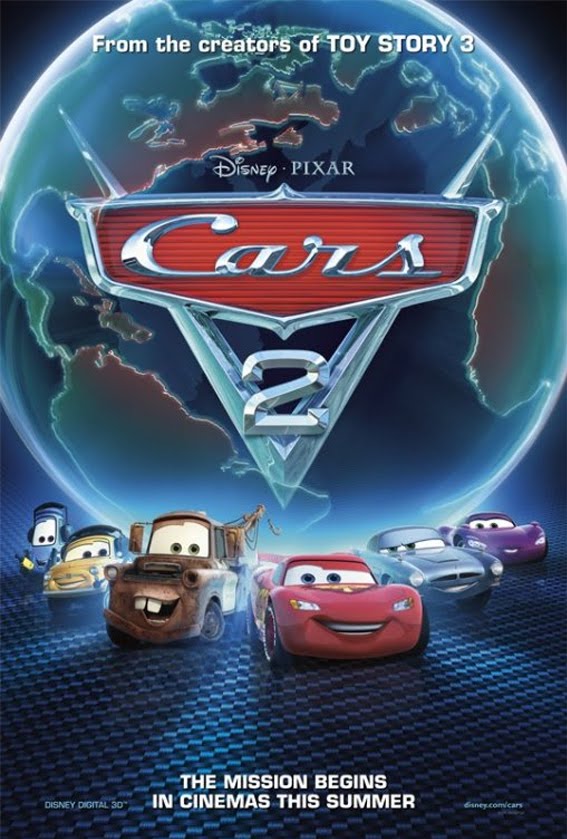
Cars 2

Pixar has been the most consistently good film studio for the past 16 years. They invented the computer animated movie, but they did so with so much care in story and character, that although they make movies for kids, the movies never felt like they catered down to kids. Adults have recognized the maturity of stories found in the three Toy Story films, Up, Wall-e and a half dozen others. “Cars” was the 2006 installment in the summer movie field that Pixar has always dominated, artistically if not always financially. It is Amanda’s favorite Pixar film (mine being “The Incredible s”). As a salute to nostalgia and the original Route 66, “Cars” was a warm piece of comfort food easily digested and easily repeatable. I have read many on-line comments that suggest that it was the weakest of the Pixar films. To me, that is like saying it was a home run that simply cleared the fence, rather than one which ended up in the upper decks or out of the park. I never had reason to complain. No one however, can be perfect for all of their career, if they are planning on staying in the game for an extended period of time. “Cars 2” brings to a close that long home run streak started back in 1995.

This movie is disappointing to us because of our love of the original movie. The vistas of Arizona and New Mexico are replaced with gorgeous versions of Tokyo and The Italian Riviera. The artistry of the animators and the talent of the cinematographer is not any less than the original. There are some fabulously designed graphics in the movie. The race sequences are edited together very effectively and create short bursts of energy in the movie. Unfortunately, the failings of “Cars 2” come in the one area that has always been a strength for Pixar, storytelling.

The first misstep was in conception, “Cars 2” is a conventional Spy Action movie. It’s premise sounds like a Jackie Chan film, but not one of the great Hong Kong Jackie Chan films, rather more like one of the flaccid Hollywood films that try to use Chan’s talent in a cookie cutter mainstream film (think “The Tuxedo” or “The Spy Next Door”). Lightning McQueen and Toe Mater, get caught up in international intrigue and Mater is mistaken for a top American secret agent. Mater’s native mannerisms and frequent mistakes are viewed as brilliant cover by a pair of British agents trying to crack a conspiracy to torpedo a new energy source. Larry the Cable guy can be entertaining in some limited doses, but he is actually the star of the movie, not Owen Wilson’s Lightning McQueen. Larry as Mater is no Cary Grant. His dumb act is so real that anyone thinking he was merely acting would have to say he is the greatest actor in the world.

The opening section sets up the spy stuff pretty well with a nifty take on James Bond being done by Michael Caine as Finn McMissile. The problem is that almost nothing that follows really requires the car races that the movie is set up around. The races are peripheral to the spy plot, and most of that action takes place away from the track. There are some funny pieces in the sequence where Mater crosses paths with the real American agent in a Japanese bathroom. And at the spy headquarters, there are some clever visual jokes with the disguises that Mater will have to use to get to the hidden power behind the plot. Nothing in the plot makes any sense however. I won’t provide a spoiler, but the whole reason for the deception by the real villain, and the plot to discredit a new energy source is simply counter-intuitive. I could follow any Bond film, all the Mission Impossible movies and The Usual Suspects, and still make some sense out of what was going on. In this movie, I could not do that. The motive is confusing and the execution of the conspiracy defeats it’s own purpose.

Also, this is an entertainment, that is really directed at kids, and the political message in it seems heavy handed and hypocritical coming from all those gearheads at Pixar who created these characters in the first place. The original “Cars” lost the Academy Award to the movie “Happy Feet” back in 2007. That movie turned from being a charming children’s story about dancing penguins into a loathsome screed about global warming. Maybe John Lassiter felt the sting of that loss too greatly and decided to insert his own sucker punch into the same series. I don’t mind a movie having important themes, but they ought to fit in with the tone and characters that the movie is about in the first place.

Returning to my baseball analogy earlier, this film is not a strikeout. It basically is a ground rule double that wastes the talents of some pretty good voice actors. Caine should have more to do with the story after the set up of the plot. Eddie Izzard is cast in a manner that immediately gives away a key plot point. Finally, the greatest of injustices, Bruce Campbell, is given only two brief scenes in which to strut his iridescent comic persona. If you had left Lightning off at the race course and let Mater go with the American agent played by Campbell, you would have a comic team that might be worth following. The music was solid but not peppy and infectious like the first movie. The loss of George Carlin and Paul Newman since the first movie, also means that some real high wattage voice talent is missing from this edition. “Cars 2” was fine for an afternoon if you have little kids, but it plays like a weak Disney sequel rather than an new essential entry into the Pixar Cannon.

The Lord Of The Rings The Two Towers Extended Edition.

The extended editions of the Lord of the Rings films continued this week with the second in the series, “The Two Towers”. For many fans, this is the pinnacle of the series, because it features the true introduction of Gollum, the tragic mirror of what both Bilbo and Frodo may have become. Gollum is a technically created creature that still had the acting skills of a very talented Andy Serkis to bring him to life. The character is divided between the shadow of Smeagal, one of the river folk distantly related to hobbits and Gollum, the surviving flesh and tortured soul of evil that has already been consumed by the ring. One of the best known scenes in the film involves the character basically arguing with himself. Sometimes in single shots and sometimes facing a second version of himself. It was a very effective piece of acting and a well planned piece of film making. In the brief introduction to the film, Peter Jackson tells us that he was not even there to film the scene since he was scheduled with the actors for another shot. The scene was done with stand ins substituting for the sleeping hobbits, and the motion capture directed by someone other than Jackson (He mentioned Fran Walsh but I don’t remember if she wrote the scene, or if she wrote it and directed it as well.)

There are many things to love about The Two Towers; the chase of the Uri-kai across Rohan, the restoration of Theoden and the casting out of Sauraman, the appearance of the Ents and their fateful decision to cast their lot with the men of the west. Whereas in the first film, we followed one group of adventurers on their quest, in the center part of the story, the group has been divided into three distinct units with their own narratives. The film cuts back and forth very effectively between the three stories, and builds tension in each section that leads to a reasonable climax for the film. One plot development was postponed until the last film, but I think that makes the final film more effective and it lets this story stand a bit more independently as a result. There are great bits of humor used to keep things flowing as well. I think that the middle passage of this massive story could have languished if great care had not been taken with the screen play. The character of Gollum/Smeagal gives the movie a narrative drive that is far stronger than if had simply been focused on the journey and quest. Theoden, King is one of my personal favorite characters. He resists the obvious, chooses the dangerous and rises to the occasion sufficiently to make the resolution of his story and those of the riders of Rohan much more meaningful. Next week I suppose I will weep again at the defiant words of Eowyn as she confronts the witch king and defends her Uncle, but without the setups provided here it would simply be a plot point.

The extended edition also give a character that has already been killed off, a chance to deepen and create greater empathy for. Boromir is so much more clearly valiant as a result of his scenes in Gondor with his brother and father. The weariness with which he sets off to meet his fate is matched by his determination to save his land. The roll out of Farimirs character is more complete and again, the intertwining tragedies that all of these people must face in the course of the great conflict reflect the real nature of war and politics. There is so much going on in these worlds and not all of it is about the main quest. In the original theatrical releases of the movies, the story telling is tighter but not always complete. These extended editions do justice to the complexity of the world that Tolkien created.

The Battle at Helm’ Deep is the climax of the film. It is loaded with dramatic action, humor and sacrifice. The desperate sense of doom that nearly overwhelms the forces aligned against Mordor does tend to hang over the film and make it the hardest of the stories to get through. Just as we reach the end of our strength, a character makes a breakthrough, or a tipping point comes down on the right side. Merry figures out a way to motivate the Ents, Aragorn restores King Theoden’s faith in his family history, Farimir chooses a path that his brother could not. We get to see these things happen when we did not before. Sam grows and shows us more signs that he can be the hero, not just the side kick, that he will need to be in the final chapter. Frodo’s fragile balance between savior and fallen is demonstrated by his charity towards Gollum and his impatience with Sam. Again there are dozens of seeds planted that will germinate and come to fruition in the last film. Those seed do have to be planted though and the film makers made that process a lot more interesting with the choices they made of what to add to the movie for the special edition.

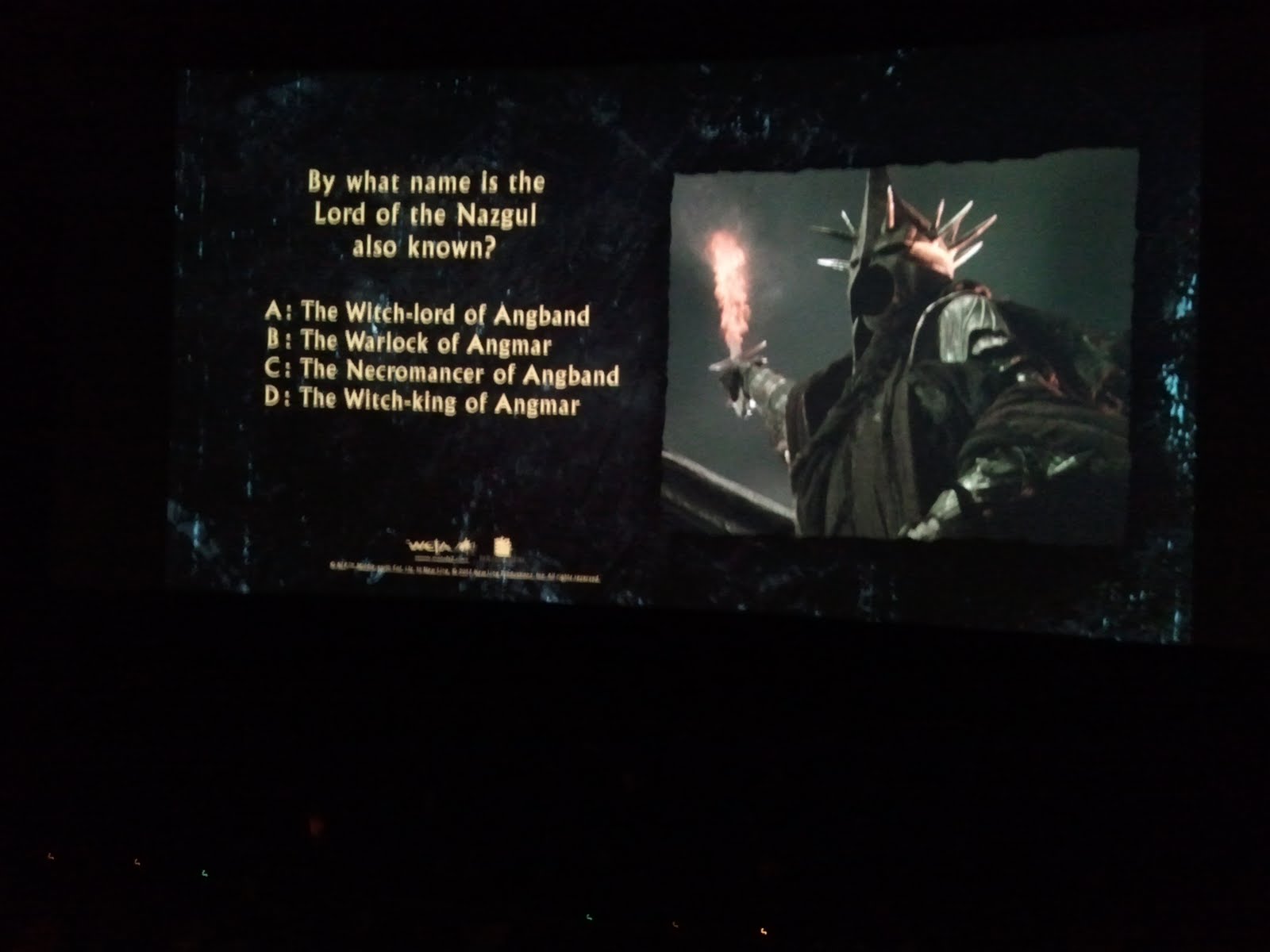
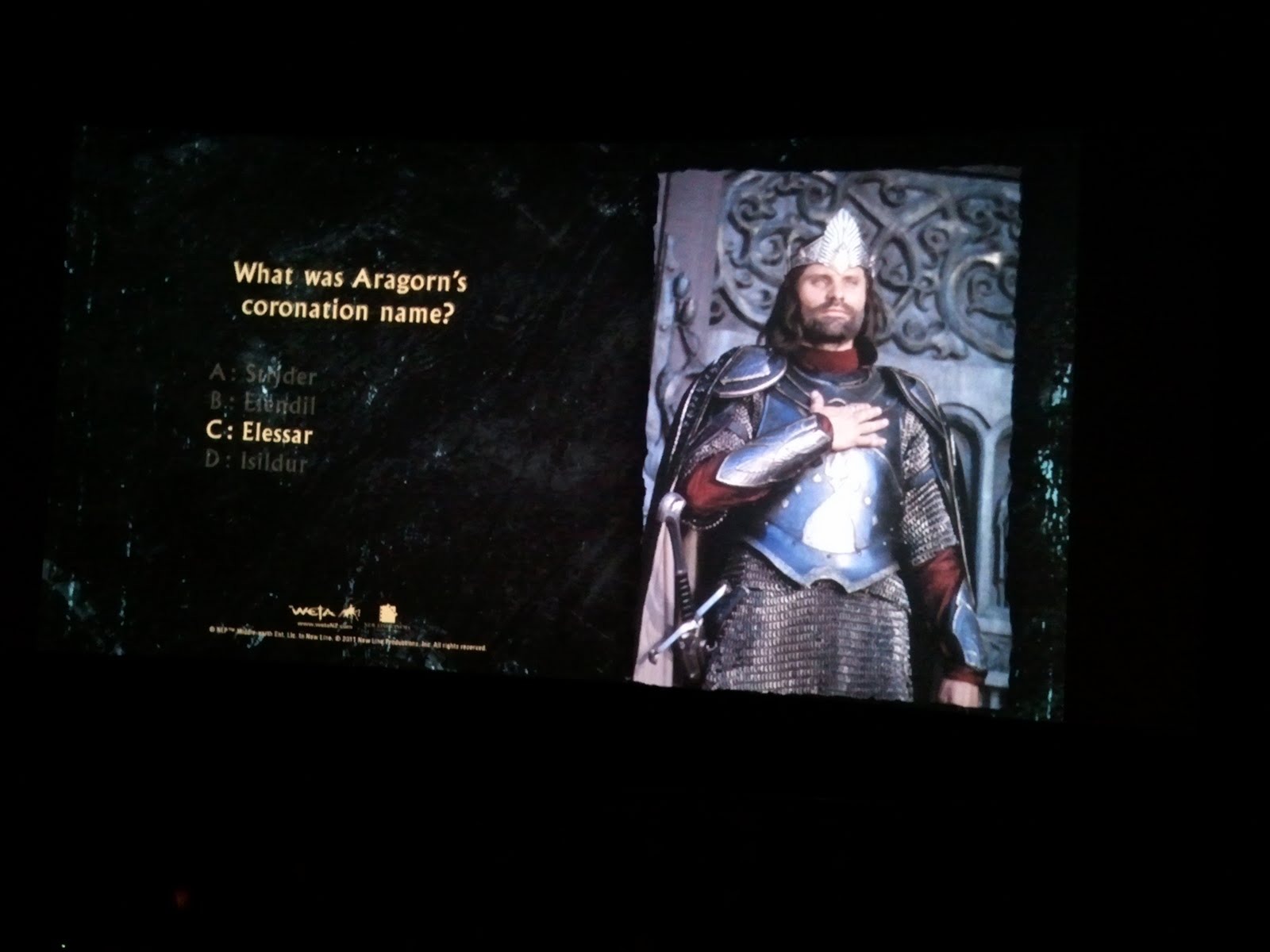
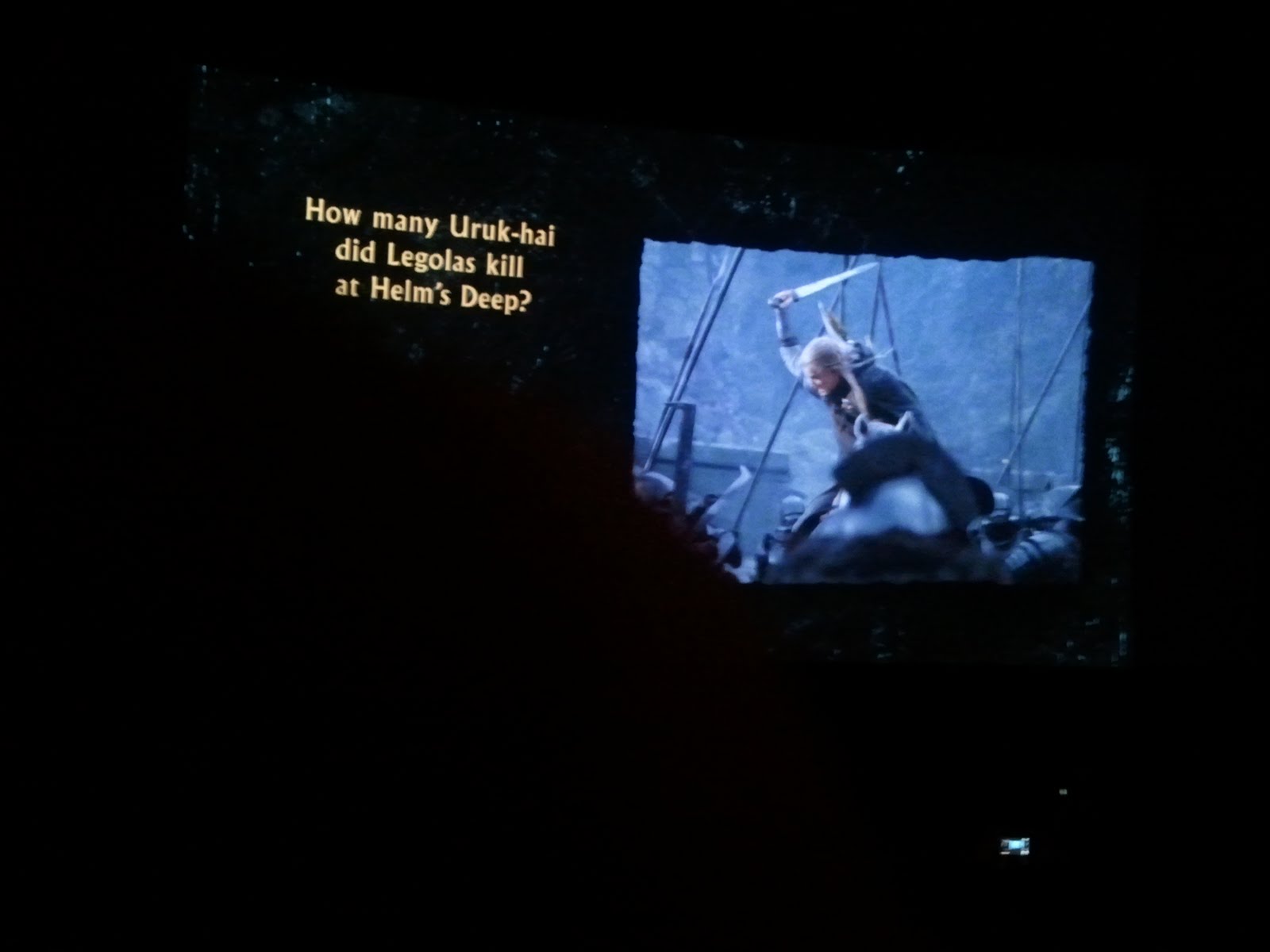
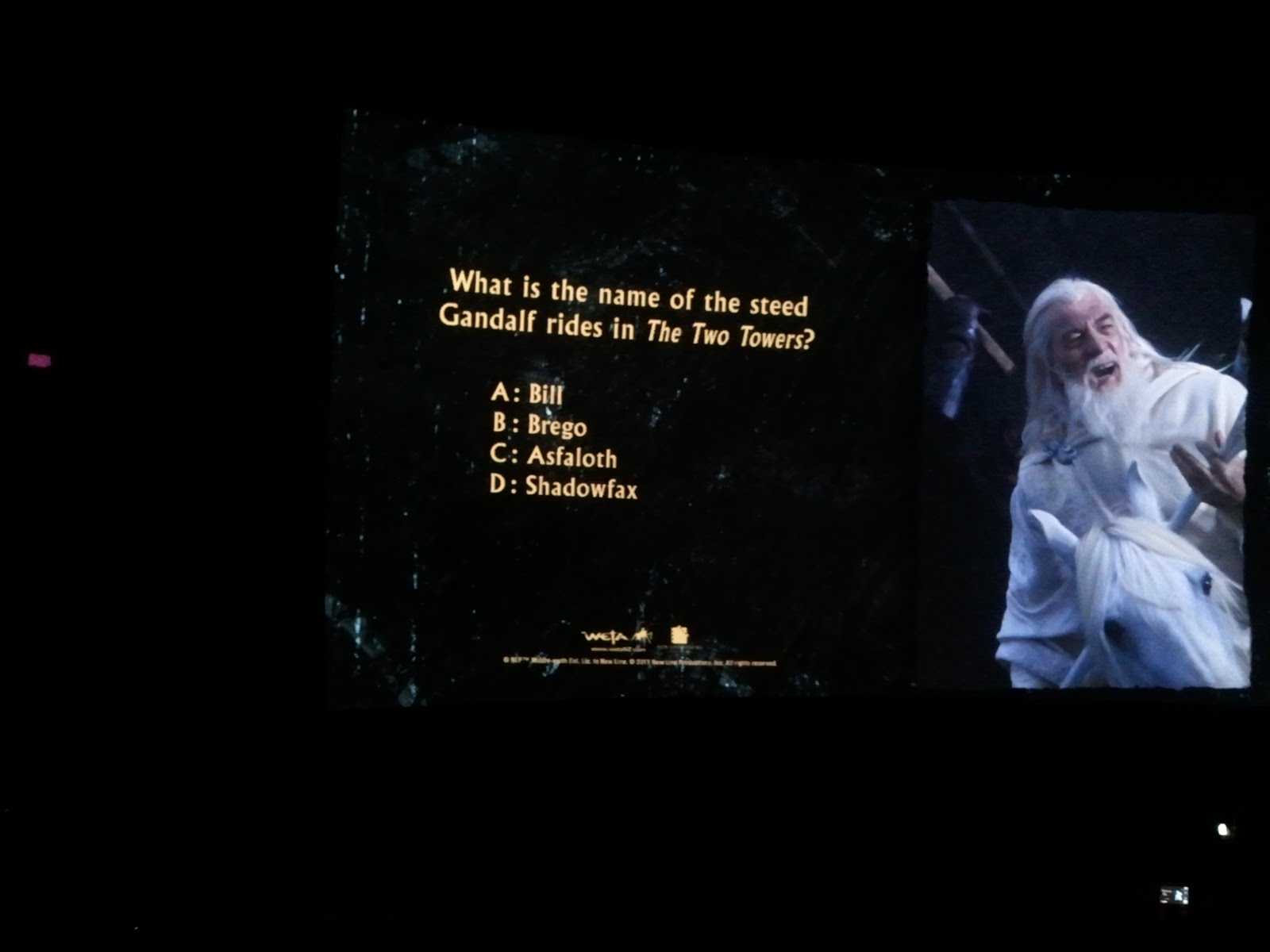
I will need to go out and get the soundtrack for the movie, because in addition to the fanfare theme set up in “Fellowship”, the sad violin based theme for the scenes in Rohan are featured. There are stirring action themes and character motifs in the rest of the movie as well, but the repetitive lament of a simple people, nearly wiped out and still holding onto their dignity, is one of the strong points of the film. My knowledge of music is scant, but my appreciation of it is immense, and this music made a real emotional difference in the film. As I said last week, this is one long commercial for the Blu Ray set that is coming, and the anticipation is heightened a couple of additional ways. There is a long promo for “TheOneRing.net”, the fan driven site that will remind people of the coming version of “The Hobbit”, there is the aforementioned introduction by Peter Jackson, and there are pre-film screen cards with trivia from the films. I have included some phone snapshots of these to add to your experience here. I promise, if there is a teaser for the Hobbit next week, the internet will meltdown with commentary and I will be part of the flood. I don’t expect it, but all of the Lord of the Rings film experience have exceeded my expectation before, so we can hope.